History and Culture of Niagara Region
What Matters Most?
The Niagara Region holds a rich tapestry of history and culture shaped by diverse peoples and events. Understanding this background reveals the roots of its unique identity. It also helps residents and visitors appreciate the significance of its landmarks and traditions.
Indigenous peoples and early settlements
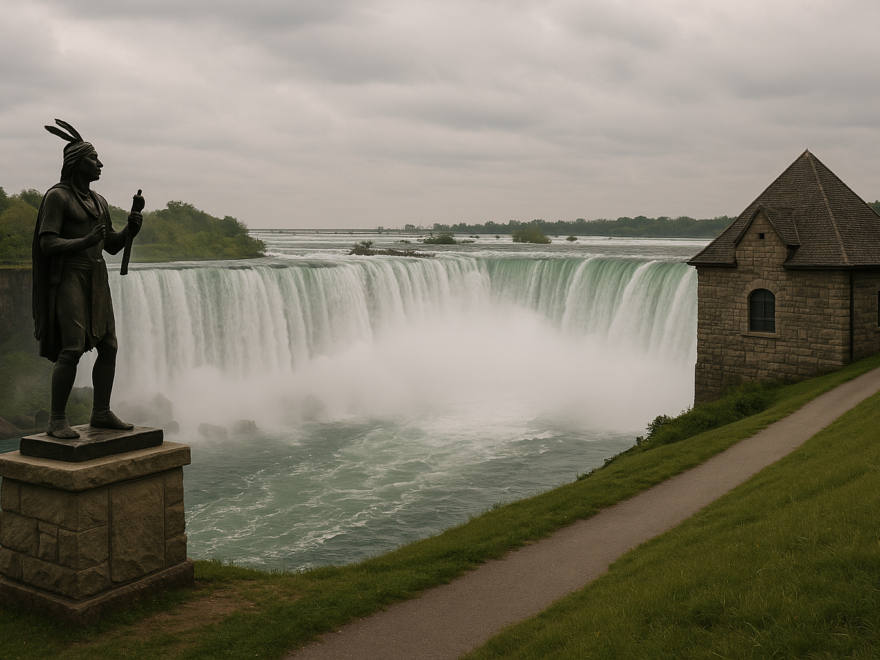
The history of the Niagara Region begins with the Indigenous peoples who inhabited the land for thousands of years. These communities established complex societies with deep spiritual connections to the area’s natural features. Early settlements were often located near waterways, which provided resources and transportation routes.
One challenge in preserving this history is the limited physical evidence left behind, as many Indigenous sites were disrupted by later development. Misinterpretation or overlooking of Indigenous contributions remains a common issue in regional historical narratives.
Historical landmarks and museums
Niagara’s historical landmarks offer tangible links to its past. Fort George, Old Fort Erie, and the Laura Secord Homestead are key sites that reflect military and pioneer history. Museums in the region curate artifacts and stories that provide context to these landmarks.
Maintaining these sites involves balancing public access with preservation needs. Overcrowding or environmental wear can threaten fragile structures, requiring careful management and restoration efforts.
Local festivals and cultural events
The Niagara Region hosts numerous festivals that celebrate its cultural diversity and history. Events like the Niagara Wine Festival and the Shaw Festival attract visitors while highlighting local traditions and talents. These gatherings foster community pride and economic activity.
However, organizing such events demands coordination of resources and attention to seasonal weather patterns, which can affect attendance and logistics.
Architectural heritage in Niagara Region
The region’s story is well documented in resources like Niagara history and culture, which provide detailed insights into its past.
Architectural styles in Niagara reflect its layered history. From Georgian and Victorian homes to early 20th-century commercial buildings, the region showcases a variety of influences. This heritage contributes to the character of towns and neighborhoods.
Influence of European settlers
Preserving architectural heritage faces challenges such as modern development pressures and the cost of maintaining older structures. Decisions must weigh historical value against practical use and safety standards.
European settlers, particularly from Britain and France, shaped much of Niagara’s cultural and social landscape. Their farming practices, trade networks, and governance systems laid foundations for the region’s growth. The blend of European customs with Indigenous traditions created a distinct local culture.
One tradeoff was the displacement of Indigenous communities and alteration of the natural environment. Understanding this complex history is essential for a balanced view of the region’s development.
Art and music scene in Niagara Region
The preservation and promotion of Indigenous art forms remain crucial, as they represent an essential part of the region’s identity. Efforts to support Indigenous artists and cultural education can be explored through organizations focused on Indigenous culture heritage.
Niagara has a vibrant art and music scene that reflects both its heritage and contemporary influences. Galleries, theaters, and music venues contribute to a dynamic cultural environment. Local artists often draw inspiration from the region’s landscapes and history.
Understanding the history and culture of Niagara Region requires attention to its diverse influences and ongoing efforts to preserve its legacy. This knowledge enriches the experience of those who live in or visit the area.