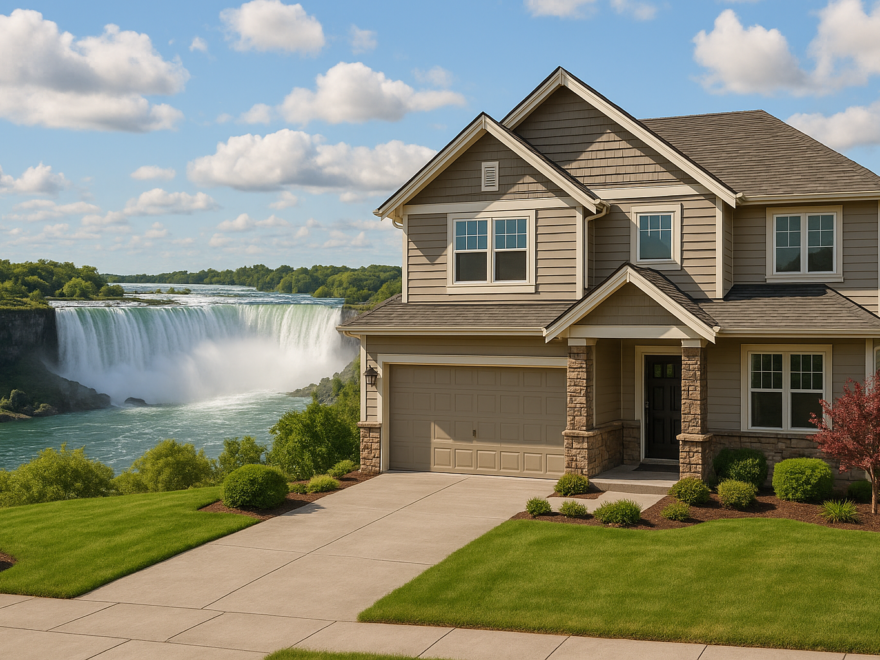
Real Estate and Housing in Niagara Region
Why it matters
The real estate landscape in Niagara Region directly affects residents and investors alike. Understanding market trends, regulations, and development patterns helps make informed decisions. This knowledge is essential for navigating property purchases, rentals, and construction projects.
Residential property market trends
Niagara Region’s residential market has seen steady demand driven by affordability compared to larger urban centres. However, rapid price increases can create challenges for first-time buyers. A common issue is overvaluing properties based on short-term market spikes, which can lead to poor investment choices.
Buyers and sellers must also consider the impact of interest rate changes and inventory shortages. These factors influence how quickly homes sell and at what price. The tradeoff often involves balancing market timing with personal financial readiness.
Commercial real estate opportunities
Commercial real estate in the region offers potential for retail, office, and industrial spaces. Location and accessibility are critical factors influencing property value. One frequent oversight is underestimating the costs of property upgrades to meet business needs or zoning requirements (see local governance for more info).
Investors must weigh the benefits of emerging commercial hubs against the risks of vacancy and market fluctuations. Long-term leases can provide stability but may limit flexibility if market conditions change.
Housing developments and neighborhoods
New housing developments continue to expand in Niagara Region, focusing on suburban and mixed-use designs. Selecting a neighbourhood requires attention to infrastructure, schools, and future growth plans. Developers often face challenges balancing density with community preferences.
Understanding the building permits timeline helps property owners and contractors plan effectively. It outlines the stages from application to approval, highlighting potential bottlenecks and inspection requirements.
Building permits and construction guidelines
Choosing the right development impacts property values and quality of life. Poor planning can lead to traffic congestion and strained public services, affecting desirability and resale potential.
Obtaining building permits is a critical step for any construction or renovation project. The process ensures compliance with safety codes and zoning laws. Delays or errors in permit applications can cause costly project setbacks.
Property taxes and regulations in Niagara Region
Property taxes vary based on assessed value and municipal rates. Staying informed about tax changes is essential to avoid surprises. Regulations also govern property use, renovations, and land development, affecting investment returns.
Consulting the Niagara Region property bylaws provides clarity on local rules. Ignoring these regulations can lead to fines or forced modifications, impacting project feasibility and costs.
Rental market and affordability
The rental market in Niagara Region faces pressure from growing demand and limited supply. Affordability remains a key concern for many renters, influencing turnover rates and vacancy periods. Landlords must balance rent pricing with maintenance and tenant retention strategies.
Misjudging rental market conditions can result in prolonged vacancies or below-market returns. Understanding local demographics and economic trends helps set competitive rents and anticipate future shifts.